Rewards & next steps
How to Start Building Credit
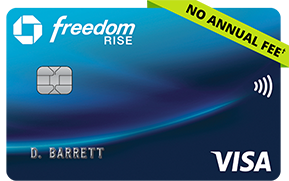
Starting to build credit can feel intimidating, but the actual process is simple and repetitive. You get an appropriate card, use it lightly, pay it off on time, and let the months accumulate. The steps below break that down into a clear sequence you can follow from day one.
If you are new to credit entirely, focus on establishing the habits first and worry about rewards and premium cards later. The early goal is a clean, reliable payment record, which is the foundation every future financial opportunity builds on.
Step by step
- Check your current credit standing with a free report or score so you know whether you have a thin file, no file, or damaged credit to work with.
- Decide between a secured card and a starter unsecured card based on whether you can provide a deposit and what your history qualifies you for.
- Compare a few options and prioritize one with no annual fee that reports to all three major credit bureaus.
- Apply for a single card rather than several, to avoid stacking hard inquiries and lowering your average account age.
- Once approved, put one small recurring expense on the card, such as a subscription or a tank of gas, and use it for nothing else at first.
- Set up automatic payment for at least the minimum, and ideally the full statement balance, so you never miss a due date.
- Pay the statement balance in full every month to keep utilization low and avoid paying any interest.
- Monitor your score and report periodically to confirm your account is reporting correctly and your progress is on track.
- After several months of on-time payments, ask about a credit limit increase or graduating a secured card to an unsecured one.
Tips & mistakes to avoid
- Automate your payments so a busy month never turns into a missed payment, which is the mistake most likely to set you back.
- Keep your first card open even after you qualify for better ones, since a longer history and more available credit both help your score.
- Charge only what you can pay off in full, treating the card as a tool for building history rather than a source of extra spending money.
- Be patient and avoid applying for new credit too frequently, because building a strong score rewards steady, unremarkable consistency.
Ready to apply?
The next step is to compare current offers and apply on the card issuer's official website — that's where you'll see live rates, fees, and terms and complete your application securely.
FAQ
- What if I get denied for a starter card?
- A secured card is often the next step, because the refundable deposit makes it more accessible to applicants with little or no history. Review the reason for denial, address any issues, and consider a secured option to begin building a record.
- How much should my first purchase be?
- Keep it small and predictable, such as a single subscription or a modest recurring bill. The goal is to generate a statement you can easily pay in full, which builds history while keeping your utilization low.
- Can I build credit without a credit card?
- Yes, though a card is one of the most accessible tools. Other reporting accounts, such as certain loans or programs that report rent or utility payments, can also contribute. A card remains popular because it is straightforward and reports monthly.
- When will I qualify for a better card?
- There is no fixed date, but after several months of on-time payments and low utilization your options usually expand. Watch your score trend upward and revisit your choices once you have a consistent track record.
Advertiser disclosure: general information only, not financial advice. We are an independent publisher, not a card issuer or lender. Confirm current terms on the issuer's official site.