Balance transfer
Best Balance Transfer Credit Cards
Long 0% intro APR windows to consolidate and pay down existing balances.
Updated for 2026 · Independent & ad-supported
Top picks



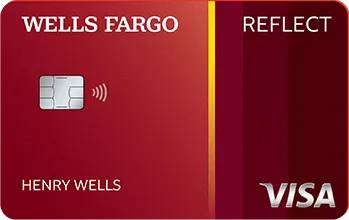
Wells Fargo Reflect Card
Wells Fargo
See card details →Annual fee $0 Regular APR 17.49%, 23.99%, or 28.24% variable (three tiers based on creditworthiness)
A balance transfer credit card lets you move an existing balance from one or more high-interest accounts onto a new card that charges little or no interest for a set introductory period. The idea is simple: instead of watching most of your monthly payment disappear into interest charges, you shift that debt to a card where nearly every dollar you pay reduces the actual balance. Used carefully, this can shorten your payoff timeline and save a meaningful amount of money.
The catch is that a balance transfer is a tool, not a solution by itself. The introductory rate is temporary, most transfers carry a one-time fee, and the standard interest rate that applies after the promotion ends is often just as high as the rate you were trying to escape. Whether a transfer helps you depends entirely on the numbers involved and on your ability to pay down the balance while the promotional window is open.
This guide explains how balance transfer cards actually work, what features to compare before you apply, and the common mistakes that quietly erase the savings. The goal is to help you decide whether a transfer fits your situation and, if it does, how to get the most out of it.
What a Balance Transfer Actually Does
A balance transfer moves debt from one credit account to another. When you open a qualifying card, you request that the new issuer pay off a balance you owe elsewhere, and that amount then appears on your new card. You still owe the same principal, but the interest rate changes. During the introductory period, that rate is frequently 0% or close to it, which means your payments go almost entirely toward the principal instead of being eaten up by finance charges.
It helps to think of a transfer as buying yourself time. The promotional window gives you a stretch of months during which interest is not compounding against you. If you use that window to make steady, aggressive payments, you can retire the debt faster than you could have on the original card. If you simply move the balance and keep paying the minimum, the clock runs out and the higher standard rate returns.
How the Intro APR Period Works
The introductory annual percentage rate is the promotional rate that applies to your transferred balance for a fixed number of months after the account opens. Once that period ends, any remaining balance starts accruing interest at the card's regular APR, which is variable and tied to your creditworthiness and broader interest rates. The length of the intro period is one of the most important features to compare, because a longer runway gives you more months to pay the balance down before interest resumes.
Read the terms closely to confirm when the clock starts. In most cases the promotional period begins when the account is opened, not when the transfer is completed, so delays in processing the transfer can quietly shorten the time you actually have. It is also worth confirming that the promotional rate applies to balance transfers specifically, since some offers advertise a different intro rate for purchases than for transfers.
Understanding the Balance Transfer Fee
Most balance transfer offers charge a one-time fee, typically expressed as a percentage of each amount you move, often with a stated minimum in dollars. This fee is added to your balance when the transfer posts, so if you move a large balance, the fee can be a real number worth calculating in advance. A transfer only makes financial sense when the interest you expect to avoid during the promotional period is larger than the fee you pay up front.
A quick way to sanity-check an offer is to estimate the interest you would pay by staying put versus the fee plus any interest you might owe after the promotion. Occasionally you may find offers with no transfer fee, but these often come with shorter intro periods, so weigh the tradeoff rather than assuming no fee is automatically the better deal.
Frequently asked questions
- Does a balance transfer hurt my credit score?
- Applying for a new card usually triggers a hard inquiry, which can lower your score slightly and temporarily. Over time, a transfer can help your utilization ratio if it spreads your balance across more available credit, but the effect depends on how you manage the account. Keeping old accounts open and paying down the balance generally support your score.
- Can I transfer more than one balance to the same card?
- Often yes, as long as the combined total stays within your approved credit limit and the issuer's transfer cap. Consolidating several balances onto one card can simplify your payments, but remember that each transfer may incur its own fee, and the total you can move is limited by the credit line you are granted.
- What happens if I don't pay off the balance before the intro period ends?
- Any remaining balance begins accruing interest at the card's regular APR once the promotional period ends. Unlike some financing offers, standard balance transfer cards do not usually charge interest retroactively, so you owe interest only on the amount left after the promotion, but that rate can be high, so aim to reach zero before the deadline.
- Can I transfer a balance between cards from the same bank?
- Usually not. Most issuers do not allow you to transfer a balance from one of their cards to another of their cards. If your existing debt is with the same company that offers the transfer card you want, confirm the policy before applying, because a rejected transfer leaves you with a new account and no benefit.
- How long does a balance transfer take to complete?
- Processing times vary by issuer and can range from a few days to a few weeks. Because your promotional period often starts when the account opens rather than when the transfer posts, keep paying at least the minimum on your old account until you confirm the transfer has gone through, so you do not accidentally miss a payment.
- Is a balance transfer worth it if there is a fee?
- It can be, as long as the interest you avoid during the promotional period is greater than the transfer fee. Estimate the interest you would otherwise pay on your current card over the same number of months, subtract the fee, and see whether you come out ahead. For larger balances at high rates, the savings often outweigh the fee.
Want the full walkthrough?
Our complete guide covers exactly how these cards work and how to get approved.