Business cards
Best Business Credit Cards
Separate business spending and earn on operating expenses.
Updated for 2026 · Independent & ad-supported
Top picks

Capital One Spark Cash Plus
Capital One
See card details →Annual fee $150 (refunded each year you spend at least $150,000) Regular APR Pay-in-full charge card with no standard purchase APR; optional Pay Over Time balances carry a 25.74% variable APR (per NerdWallet) 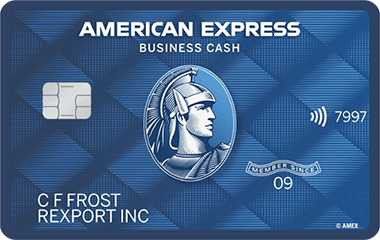
American Express Blue Business Cash Card
American Express
See card details →Annual fee $0 Regular APR 16.74%–28.49% variable (will not exceed 29.99%)
The best business credit card is not a single product that tops every list; it is the one that matches how your business actually spends, borrows, and operates. A card that is ideal for a company with heavy travel and dining costs can be a poor fit for a contractor who spends mostly on fuel and supplies, and vice versa. Choosing well starts with understanding your own numbers rather than chasing whichever card has the flashiest headline offer.
Business cards also come with features that personal cards do not, along with a few responsibilities worth understanding before you apply. Most require a personal guarantee, many check your personal credit, and the way rewards, fees, and expense tools are structured can differ meaningfully from consumer products. Getting these details right saves money and keeps your business and personal finances cleaner.
This guide breaks down how to match a card to your spending, the difference between flat-rate and category rewards, how personal guarantees and credit checks work, how to weigh fees against value, and the everyday tools that make a business card genuinely useful. By the end you should be able to shortlist confidently instead of guessing.
Start With How Your Business Spends
Before comparing cards, map your spending. Pull the last several months of expenses and sort them into categories such as travel, dining, advertising, shipping, fuel, office supplies, software subscriptions, and general purchases. The categories where you spend the most are the ones where a well-chosen rewards structure will pay off, and the ones you should optimize around.
This step matters because rewards are only valuable on money you already spend. A generous bonus category you rarely use is worth little, while a modest bonus on your single largest expense line can add up substantially over a year. Let your real spending distribution, not the card's marketing, decide which features actually matter to you.
Flat-Rate vs. Category Rewards
Flat-rate cards earn the same rate on every purchase, which is simple and predictable. They shine for businesses whose spending is spread across many categories or is hard to forecast, because you never have to think about where a purchase falls to earn a solid, consistent return. The tradeoff is that you may leave value on the table in a category where a specialized card would earn more.
Category cards earn elevated rewards in specific areas and a base rate elsewhere. They reward businesses with concentrated spending, but only if that concentration lines up with the card's bonus categories. Some businesses do best carrying one of each: a category card for their biggest expense line and a flat-rate card to catch everything else at a good return. Match the structure to how predictable and concentrated your spending really is.
Personal Guarantee and Credit Checks
Most business credit cards require a personal guarantee, meaning you are personally responsible for the debt if the business cannot pay. That is true even for cards issued to an LLC or corporation, and it is why issuers typically check your personal credit as part of the application. Strong personal credit therefore helps you qualify and often unlocks better terms, regardless of your business structure.
Understand this before you apply so there are no surprises. A personal guarantee ties the account to you individually, which is standard for small businesses but worth acknowledging. Cards that rely solely on business credit with no personal guarantee do exist, but they are generally reserved for established businesses with substantial revenue and their own credit history, not new or small operations.
Frequently asked questions
- How do I know whether a flat-rate or category card is better for my business?
- Map your spending across categories first. If it is concentrated in a few areas that match a card's bonus categories, a category card likely earns more. If it is spread out or hard to predict, a flat-rate card gives a simpler, consistent return. Some businesses use one of each.
- Do business credit cards check my personal credit?
- Usually yes. Most small-business cards require a personal guarantee and review your personal credit during the application, even when the card is issued to an LLC or corporation. Strong personal credit generally improves your odds of approval and the terms you receive.
- What is a personal guarantee?
- It is your personal promise to repay the card debt if your business cannot. Most business cards require one, which ties the account to you individually. Cards without a personal guarantee exist but are typically limited to established businesses with substantial revenue and their own credit history.
- Is an annual fee worth it on a business card?
- It depends on your spending. Estimate the rewards you would realistically earn plus the value of perks you will actually use, then compare that to the fee. If the net is clearly positive, the fee is justified; if not, a no-fee card may serve you better.
- Can I give cards to my employees?
- Most business cards let you add employee cards, frequently at no extra cost, with individual spending limits. This lets you delegate purchasing while keeping control, and the consolidated reporting makes tracking and reconciling those expenses much easier at month-end.
- Will a business credit card help build my business's credit?
- It can, if the card reports to business credit bureaus and you use it responsibly. Paying on time and keeping balances reasonable helps establish a business credit profile, which can later ease access to financing and reduce reliance on personal guarantees.
Want the full walkthrough?
Our complete guide covers exactly how these cards work and how to get approved.