Credit builder
Best Credit-Builder Cards
Starter cards designed to build a positive payment history.
Updated for 2026 · Independent & ad-supported
Top picks
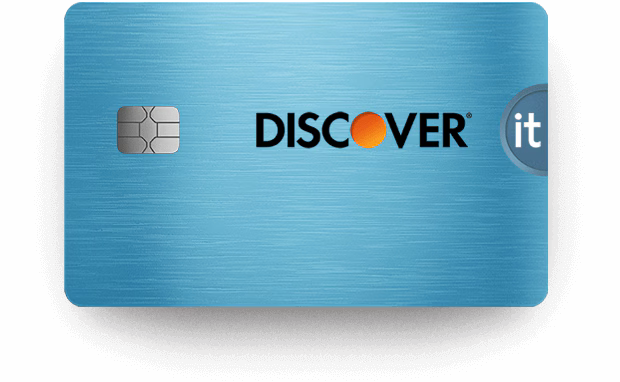
Discover it Secured Credit Card
Discover
See card details →Annual fee $0 Regular APR Varies — confirm on issuer site OpenSky Secured Visa Credit Card
OpenSky (Capital Bank N.A.)
See card details →Annual fee $35 Regular APR 23.89% variable
Building credit is one of the most useful financial skills you can develop, because your credit history influences far more than whether you qualify for a card. It affects the interest rates you are offered on loans, your ability to rent an apartment, and sometimes even a security deposit on utilities. A credit card, used carefully, is one of the most accessible tools for building that history from the ground up.
The good news is that you do not need a high income or a perfect financial background to start. What matters most is demonstrating, month after month, that you can borrow a small amount and pay it back on time. That single habit, repeated consistently, is the engine behind a rising credit score. The card is just the vehicle that reports your behavior to the credit bureaus.
This guide explains what actually builds a score, how secured and starter cards work, and how to grow your credit responsibly over time. The focus is on habits and mechanics you can control, so you can move from a thin or nonexistent file to a solid credit profile without unnecessary cost or risk.
What Actually Builds a Credit Score
Credit scores are calculated from a handful of factors, and two of them matter most for beginners. Payment history is the single largest factor, which means paying at least the minimum by the due date, every time, is the most important thing you can do. A single missed payment can undo months of progress, so on-time payments are the foundation of everything else.
The second major factor is credit utilization, which is the percentage of your available credit that you are using. Keeping utilization low, generally well under a third of your limit, signals that you are not overextended. Other factors, such as the length of your credit history, the mix of account types, and how often you apply for new credit, play smaller roles that grow in importance over time.
Secured Cards Explained
A secured credit card is designed specifically for people building or rebuilding credit. You provide a refundable security deposit, and that deposit typically becomes your credit limit. Because the deposit reduces the issuer's risk, these cards are more accessible to applicants with little or no credit history, though no card can guarantee approval.
Despite the deposit, a secured card functions like any other credit card: you make purchases, receive a statement, and pay it off. The issuer reports your activity to the credit bureaus, so responsible use builds your history the same way an unsecured card would. Many secured cards offer a path to graduate to an unsecured card and return your deposit once you have shown consistent, on-time behavior.
Starter and Entry-Level Unsecured Cards
If you have some credit history or a steady income, you may qualify for a starter unsecured card that requires no deposit. These cards usually come with modest limits and few frills, and their purpose is to give newer borrowers a straightforward way to establish a track record. Look for options with no annual fee so your cost of building credit stays as close to zero as possible.
Entry-level cards may offer simple rewards, but rewards should not be the deciding factor at this stage. The priority is a card that reports to all three major bureaus, carries low or no fees, and gives you room to grow. Once your score improves, you will have access to a much wider range of cards, so treat the first card as a stepping stone rather than a destination.
Frequently asked questions
- How long does it take to build credit from scratch?
- It generally takes several months of activity before a new account begins to establish a score, and building a strong profile takes longer. The exact timeline depends on your habits, but consistent on-time payments and low utilization are what move the process forward.
- Is a secured card bad for my credit?
- No. A secured card reports to the credit bureaus and builds history the same way an unsecured card does. The deposit simply lowers the issuer's risk so the card is more accessible; responsible use helps your credit regardless of the deposit.
- Do I need to carry a balance to build credit?
- No, this is a common myth. You build credit by using the card and paying the statement balance in full each month. Carrying a balance only adds interest cost and does not improve your score.
- How much of my limit should I use?
- Keeping your balance well under a third of your limit is a common guideline, and lower is generally better. High utilization can lower your score even if you eventually pay it off, so charging small amounts and paying in full is the safest approach.
- Will checking my own credit score hurt it?
- No. Checking your own score or report is a soft inquiry and does not affect your credit. Only hard inquiries from applying for new credit can cause a small, temporary dip, so monitoring your progress is safe and encouraged.
- Should I close my first card once I get a better one?
- Usually not right away. Closing your oldest card shortens your credit history and lowers your total available credit, which can hurt your score. If the card has no annual fee, keeping it open with occasional small use often helps your profile.
Want the full walkthrough?
Our complete guide covers exactly how these cards work and how to get approved.