Rewards & next steps
How to Choose Your First Card
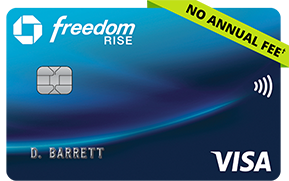
Choosing your first card is easier when you know what to prioritize and in what order. The right first card is rarely the one with the biggest perks; it is the one with the lowest cost and the simplest path to building history. A short, deliberate process will steer you toward a card you can hold and use well for years.
The steps below help you evaluate starter options, decide whether a secured card fits your situation, and set up the habits that make the card work for you from the first statement. Follow them in order to start your credit journey on solid ground.
Step by step
- Check your current credit standing with a free report or score to learn whether you have no history, a thin file, or damaged credit.
- Decide whether you likely qualify for an unsecured starter card or whether a secured card with a deposit is the more realistic path.
- Compare a few beginner cards and prioritize the one with no annual fee and the fewest additional charges.
- Confirm the card reports to all three major credit bureaus, since that is what actually builds your history.
- Ignore flashy rewards and pick a simple structure, favoring a flat rate or no rewards over complicated bonus categories.
- Apply for a single card instead of several to avoid stacking hard inquiries on a limited or nonexistent history.
- Once approved, use the card for one or two small recurring expenses you were already going to pay for.
- Set up autopay for the full statement balance so you never miss a due date and never carry interest.
- After several months of on-time payments, consider requesting a limit increase and keep the account open long term.
Tips & mistakes to avoid
- Turn on autopay right away, because a single missed payment can undo months of progress on a brand-new file.
- Charge only what you can pay off in full, using the card as a credit-building tool rather than a way to spend more.
- Keep your first card open even after you upgrade, since your oldest account strengthens your credit history length.
- Watch your utilization on a low limit, and pay down the balance before the statement closes if it is creeping high.
Ready to apply?
The next step is to compare current offers and apply on the card issuer's official website — that's where you'll see live rates, fees, and terms and complete your application securely.
FAQ
- How do I choose between two similar starter cards?
- Compare fees first and favor the card with no annual fee and fewer extra charges. If fees are equal, prefer the one with a simpler rewards structure and better beginner tools, since building history cheaply is the real objective.
- Is it bad to apply and get denied for a first card?
- A denial is not permanent, though the application does add a hard inquiry. Review the reason, address any issues, and consider a secured card, which is more accessible and builds credit the same way an unsecured card does.
- How much should I spend on my first card each month?
- Keep it small and well within what you can pay off in full, and mind your utilization on a low limit. Charging one or two modest recurring expenses is enough to build history without risking a high balance.
- When should I get a second card?
- Wait until you have several months of on-time payments and a stronger profile. Adding a second card too soon stacks inquiries and lowers your average account age, so let your first card establish a clean record first.
Advertiser disclosure: general information only, not financial advice. We are an independent publisher, not a card issuer or lender. Confirm current terms on the issuer's official site.