Cash back · comparison
Chase Freedom Unlimited vs Capital One Quicksilver: Which Card Wins in 2026?
Two of the most popular no-annual-fee cash-back cards. Both give you a flat rate on everything and a similar sign-up bonus — the real difference is in the bonus categories and the fine print.
Updated for 2026 · Independent & ad-supported
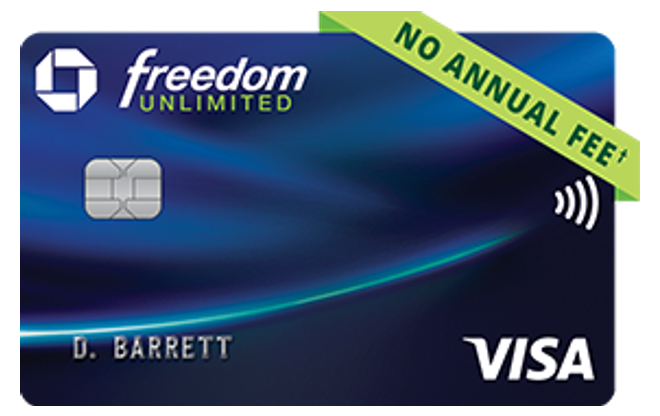
Chase Freedom Unlimited
Chase- Annual fee$0
- Rewards5% cash back on travel booked through Chase Travel, 3% on dining and drugstore purchases, and 1.5% on all other purchases
- Welcome bonus$200 bonus after spending $500 on purchases in the first 3 months
- Regular APR18.24%–27.74% variable
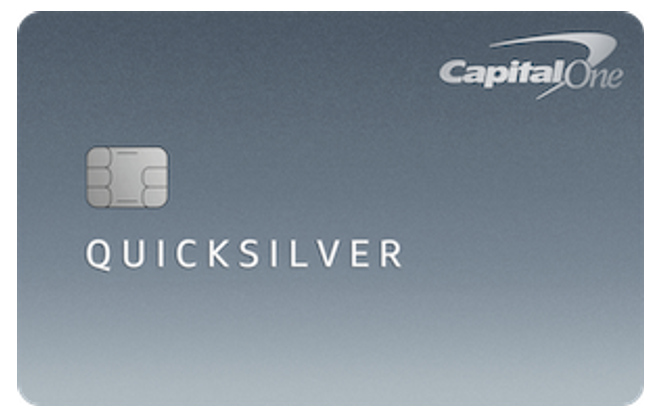
Capital One Quicksilver Cash Rewards
Capital One- Annual fee$0
- RewardsUnlimited 1.5% cash back on every purchase, plus 5% on hotels, vacation rentals, and rental cars booked through Capital One Travel
- Welcome bonus$200 cash bonus after spending $500 on purchases within the first 3 months
- Regular APR18.49%–28.49% variable
See how to apply for the Chase Freedom Unlimited →
The quick verdict
The Chase Freedom Unlimited earns more if you spend on dining and drugstores (3%) and want a 15-month 0% intro APR — and its rewards can become far more valuable if you also hold a Chase Sapphire card.
The Capital One Quicksilver is the simpler, truly flat 1.5% card with no foreign transaction fee, which makes it the better travel companion among $0-fee cards.
Rewards compared
Chase Freedom Unlimited: 1.5% base cash back, 3% on dining and drugstore purchases, and 5% on travel booked through Chase Travel.
Capital One Quicksilver: a flat 1.5% on every purchase, plus 5% on hotels and rental cars booked through Capital One Travel.
If you spend on restaurants and pharmacies, the Freedom Unlimited’s 3% clearly beats Quicksilver’s 1.5% there. If you just want dead-simple flat cash back with nothing to track, Quicksilver keeps it simple.
Fees and APR
Both cards have a $0 annual fee. The Freedom Unlimited has an 18.24%–27.74% variable APR and charges a 3% foreign transaction fee.
The Quicksilver has an 18.49%–28.49% variable APR and — importantly — charges no foreign transaction fee. For anyone who travels or shops internationally, that 3% difference makes the Quicksilver the cheaper card abroad.
Welcome bonus and 0% intro APR
Both cards offer a $200 bonus after spending $500 in the first 3 months, so the sign-up bonuses are effectively a tie.
The Freedom Unlimited adds a 15-month 0% intro APR on purchases and balance transfers — useful for a big purchase or a short payoff plan. Confirm current intro terms on each issuer’s site before applying.
The points-upgrade angle
The Freedom Unlimited earns Chase points that become significantly more valuable if you also hold a Chase Sapphire card, because you can then transfer them to airline and hotel partners. That upside is the Freedom Unlimited’s hidden edge.
Quicksilver rewards are straight cash back — simpler, always worth the same, but with no path to higher redemption value.
Who each card is best for
Choose the Freedom Unlimited if you spend on dining and drugstores, want a 0% intro window, or already hold (or plan to hold) a Chase Sapphire card.
Choose the Quicksilver if you want the simplest flat-rate card, or if you travel abroad and want to avoid foreign transaction fees.
How to choose
Watch the Chase 5/24 rule: Chase generally will not approve the Freedom Unlimited if you have opened five or more cards across all issuers in the past 24 months. Capital One does not publish an equivalent rule.
If you are over 5/24, want zero foreign transaction fees, or just want the simplest possible card, the Quicksilver is the safer pick. Otherwise the Freedom Unlimited’s bonus categories and 0% window usually win.
Frequently asked questions
- Which card has better cash back?
- For most everyday spending they tie at 1.5%, but the Freedom Unlimited’s 3% on dining and drugstores and 5% on Chase Travel pull it ahead in those categories.
- Do either charge foreign transaction fees?
- The Freedom Unlimited charges a 3% foreign transaction fee; the Quicksilver charges none. For international use, the Quicksilver is the cheaper card.
- What is the Chase 5/24 rule?
- Chase generally will not approve you for the Freedom Unlimited if you have opened five or more credit cards from any issuer in the past 24 months. It is an unofficial but widely reported guideline.
See how to apply for the Chase Freedom Unlimited →
Advertiser disclosure: this comparison is supported by advertising and is for general information only — not financial advice. Card terms change; always confirm current terms on each issuer's official site before applying.